Why Every Brand and Distributor Needs a Merchandising Management App
The retail landscape is no longer driven by intuition; it is governed by data. For brands and distributors, the battlefield is the store shelf, and success hinges on perfect Retail Execution. Moving past manual forms and fragmented reporting, the adoption of a dedicated Merchandising Management App has transitioned from a competitive edge to a fundamental necessity.
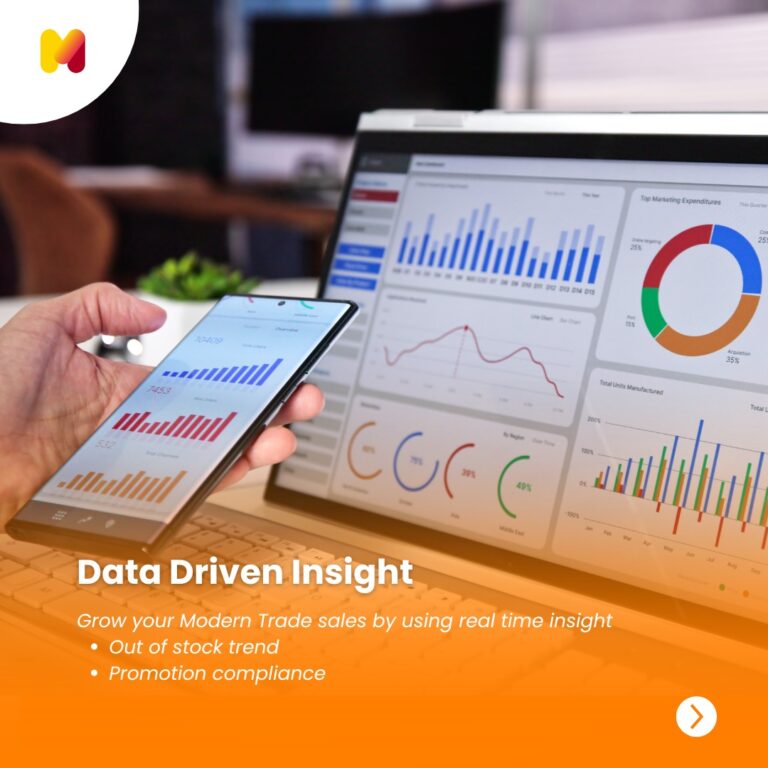
These sophisticated mobile solutions leverage advanced Business Intelligence (BI) to turn raw, real-time field data into immediate, actionable insights, directly impacting the bottom line.
How can we be sure our products look right on the store shelves?
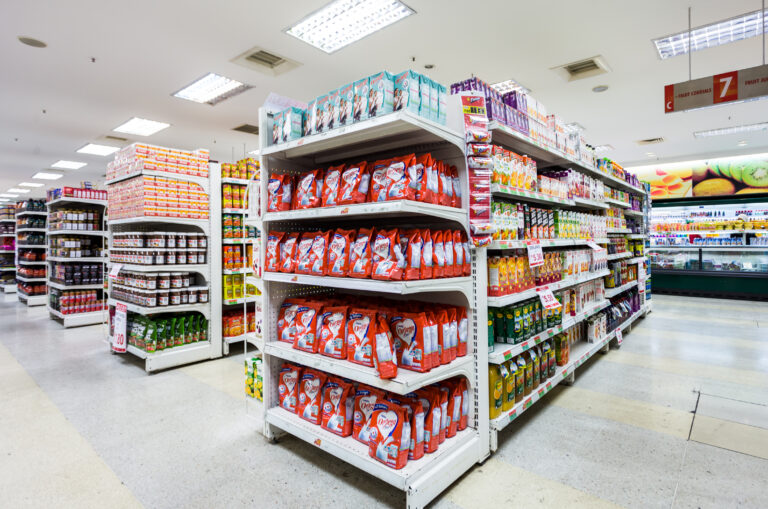
The single greatest measure of Retail Execution success is Planogram Compliance—ensuring products are displayed exactly as planned. Historically, this was a manual, error-prone, and slow process.
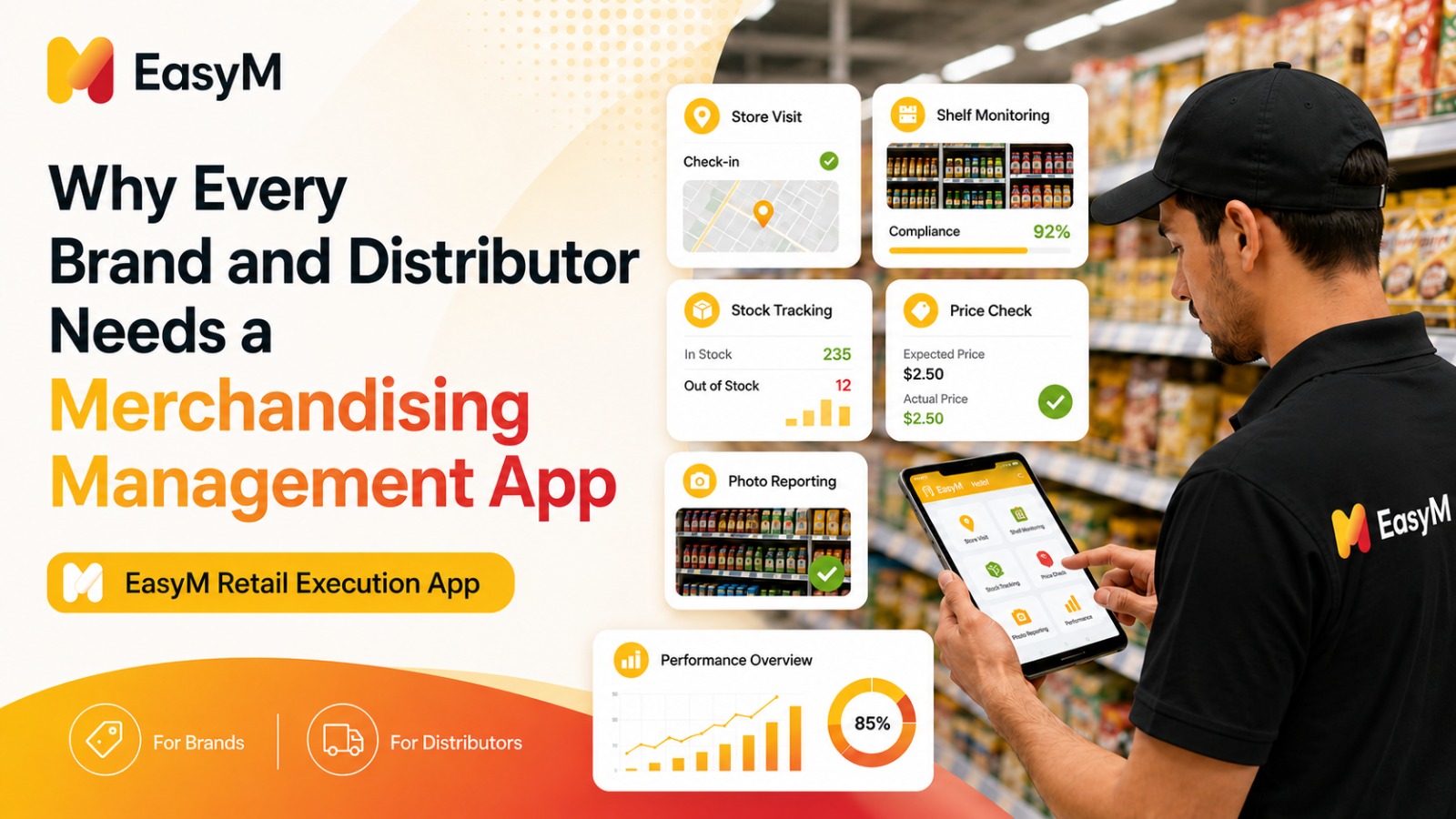
- Automated Audits via Image Recognition: The Merchandising Management App utilizes advanced image recognition technology. Merchandisers simply snap a photo of the shelf, and the system instantly analyzes the image to identify if SKUs are misplaced, prices are incorrect, or if the product facing count is wrong.
- Instant Verification: Instead of waiting days for a supervisor to review photos, the app provides immediate compliance scoring. This capability allows the merchandiser to correct errors before leaving the store, ensuring 100% adherence to the brand’s strategy and maximizing the sales potential of that shelf space.
- Must Sell SKU Tracking: Beyond general compliance, the app enforces rigorous Must Sell SKU Tracking to ensure core products are listed, correctly positioned (e.g., eye level), and have the targeted number of facings (Share of Shelves), which is vital for consumer visibility.
How can managers easily know what the team is doing all day?
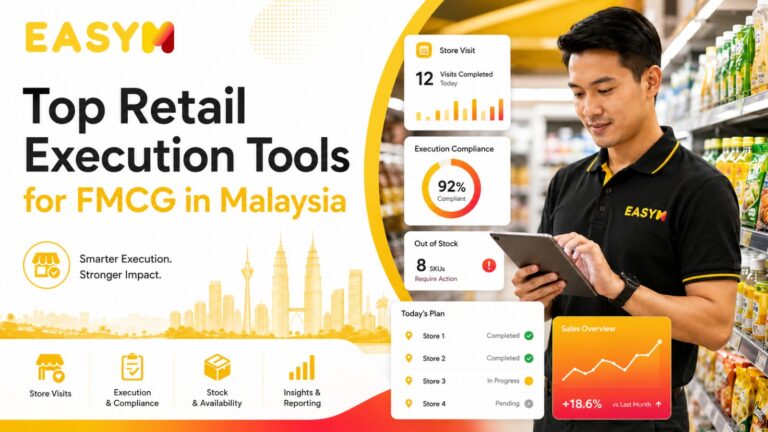
Managing a mobile sales and merchandising workforce is one of the most significant challenges in distribution. A Merchandising Management App provides the infrastructure for superior Field Productivity:
- Intelligent Route Planning: Advanced algorithms analyze store data (sales volume, compliance scores, location) to suggest the most efficient daily routes, guaranteeing that high-value outlets are prioritized. This optimization ensures teams are effectively covering the market, reducing travel time and lowering operational costs.
- Objective KPI Monitoring: The app provides supervisors with real-time GPS and Call Rate Monitoring. This eliminates disputes over store visits and provides objective data on check-in/check-out times, allowing managers to accurately track team efficiency and provide targeted coaching.
- Automated Task Generation: Based on previous store audits or stock levels, the app can automatically generate the next set of tasks for the merchandiser (e.g., “Set up new promotion display,” or “Perform stock rotation”), streamlining the workflow and ensuring focus on high-value activities.
How do we stop running out of popular products and losing sales?
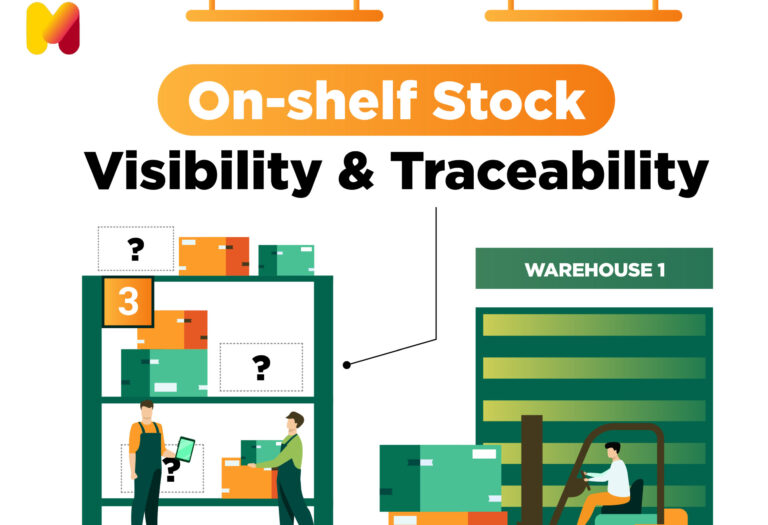
Losing sales to Out-of-Stock (OOS) or incurring high costs due to expired stock are massive profit drains. The system’s advanced analytics transform reactive inventory management into a proactive strategy:
- Proactive OOS Prevention: By combining real-time shelf scans and stock-take data with historical sales trends, the Merchandising App uses proactive data analysis to send an alert not just when a product is already OOS, but when it is about to be OOS. This drastically speeds up the replenishment cycle and minimizes lost sales.
- Expiry Date Management: Merchandisers can log product expiry dates, and the system automatically sends Product Aging Notifications to both the field team and the warehouse. This ensures products are rotated or pulled before they result in costly retailer returns, addressing the pain point of high expired stock return.
What information do we need to know to decide the best prices and deals?
In the dynamic retail landscape, staying ahead of the Merchandising Trends requires constant competitive awareness.
- Dynamic Pricing Support: Merchandisers collect competitor pricing and promotion data directly in the app. The BI module can then analyze this data against your own sales and margins, providing the brand with timely insights to adjust pricing and promotional strategy on the fly.
- Data-Driven Assortment Planning: By collecting granular data on what sells well where, and analyzing competitor facings, the Merchandising Management App provides the foundation for better local market segmentation. This empowers brands to customize product assortments to local tastes, increasing sell-through rates.
In conclusion, for brands and distributors today, the Merchandising Management App is the essential operational backbone. It not only streamlines the daily work of the field team but, more importantly, provides the Retail Execution clarity and sophisticated intelligence required to maximize sales, enforce brand standards, and sustain high Planogram Compliance across all retail outlets.